
Yes, Botox can help manage symptoms of TMJ disorder and chronic jaw clenching by relaxing the masseter muscles that control chewing and grinding. While the FDA has not approved Botox specifically for TMJ treatment (it remains an off-label use), many patients find that injections into overactive jaw muscles reduce tension and ease clenching-related discomfort. At SLK Clinic, we customize masseter Botox treatments to each patient’s anatomy during a complimentary consultation, where we determine whether you’re a good candidate and design a plan that matches your goals. Many patients also notice a slimmer, more contoured jawline as the muscle relaxes. If you’re exploring Chattanooga botox options for jaw relief, here’s what you need to know about results and treatment expectations.
How Does Botox Work for TMJ and Jaw Clenching?
Botox is a neuromodulator that temporarily blocks nerve signals to muscles, causing them to relax. When injected into the masseter (the large muscle along your jawline that closes your mouth and powers chewing), it reduces the intensity of clenching and grinding. Most people who grind their teeth at night or clench during the day have overactive masseters that create chronic tension and headaches. By dialing down that muscle activity, Botox eases the mechanical strain on the temporomandibular joint (TMJ) and surrounding structures. Botox targets muscle tension most effectively. Structural issues like disc displacement or arthritis require different management. If you have clicking, locking, or severe joint pain, we recommend a dentist or physician evaluation first to rule out issues that need medical management.
Who Is a Good Candidate for Masseter Botox?
You might be a good candidate if you experience frequent jaw tension, wake up with sore jaw muscles, notice worn tooth enamel from grinding, or have tension headaches that radiate from your temples. Ideal candidates have healthy masseter muscles without significant joint pathology. For inflamed or overworked TMJ, Botox reduces the force your muscles apply. Structural issues like dislocated discs or degenerative joint disease require separate treatment. During your complimentary consultation at our Chattanooga location (804 Riverfront Parkway Suite 102, near Downtown and the Riverfront), we assess your jaw anatomy and discuss your symptoms and goals. Dosing is then customized based on muscle size and activity level. Whether your priority is relief or a slimmer jawline, your consultation is designed to create a custom plan for your needs.
How Many Units Do You Need, and How Long Do Results Last?
Dosing varies by patient. Masseter size, activity level, and treatment goals all play a role, so we customize the number of units during your consultation rather than quoting a standard amount. In general, masseter Botox requires more units than forehead or crow’s-feet treatments because the muscle is larger and stronger. Results begin to appear within 3–7 days as the muscle starts to relax, and you’ll notice continued improvement over the following two weeks as the full effect sets in. Most patients enjoy 3–6 months of relief before muscle activity gradually returns and a maintenance session is due. We schedule a two-week follow-up to check your progress and make any small adjustments if needed. Because the masseter is a powerful muscle that adapts to repeated use, consistency matters. Patients who return for regular treatments often find that their muscles stay softer and their symptoms remain controlled with less frequent intervention over time.
What Does the Appointment Feel Like, and Is There Downtime?
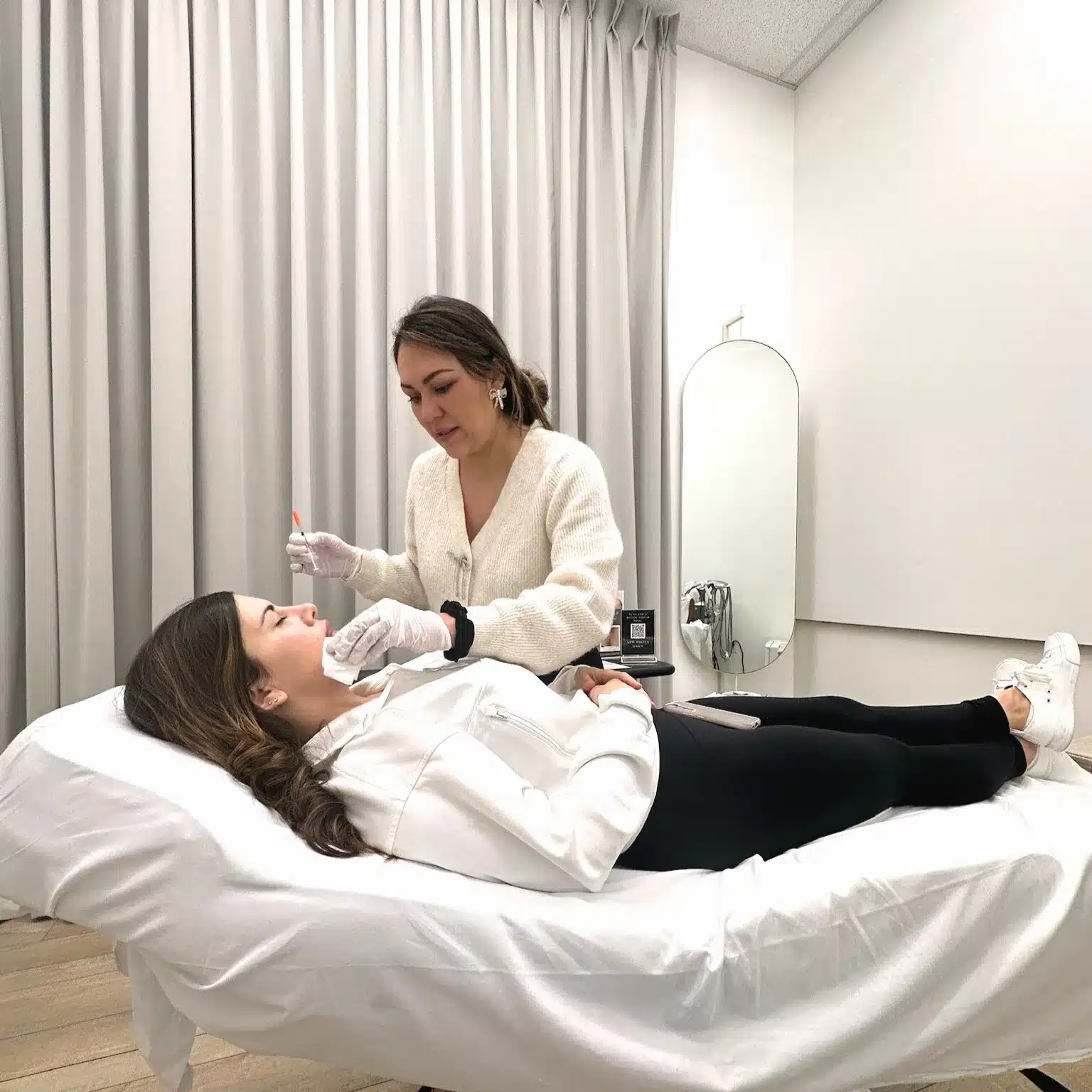
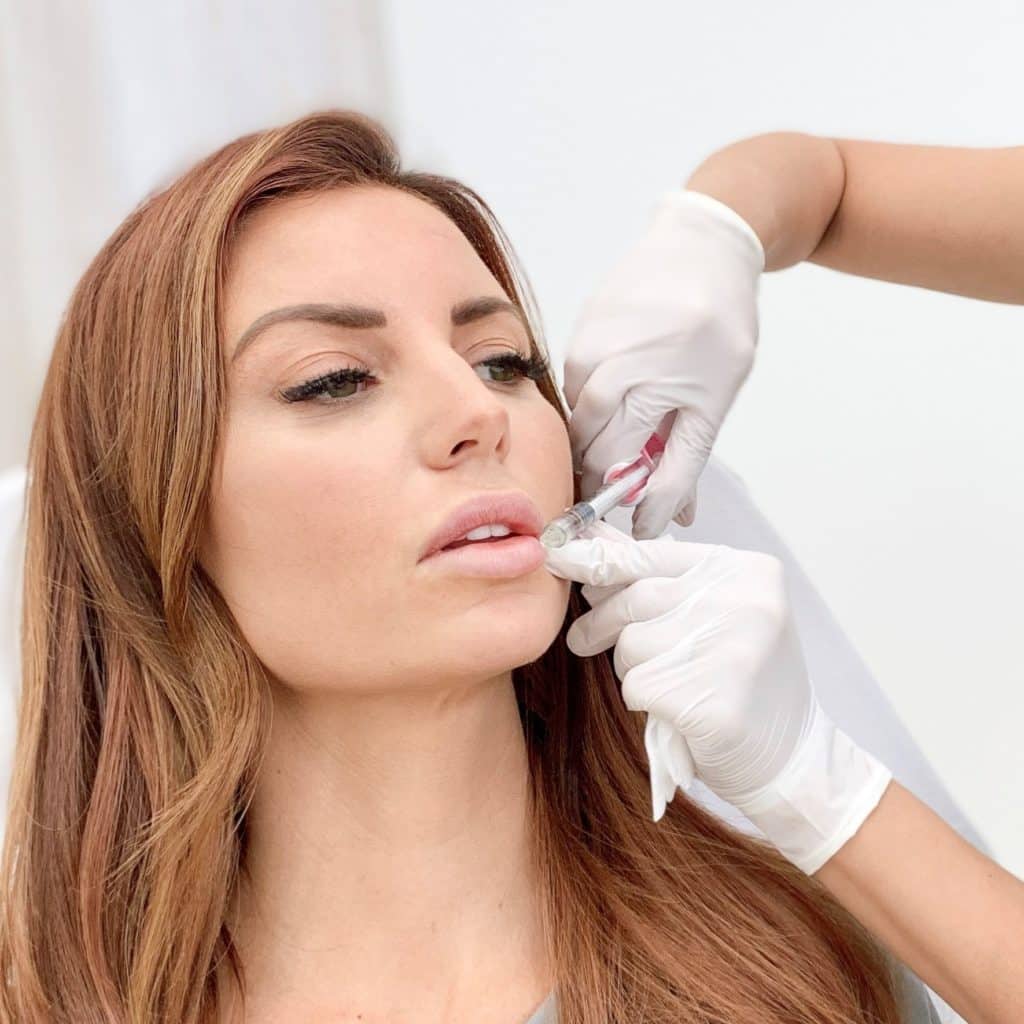
The injection appointment is quick. We clean your skin, mark injection points, and inject using a fine needle. Most people describe the sensation as a brief pinch or pressure; the masseter is less sensitive than areas like the lips, so discomfort is minimal. You can return to work and normal activities immediately. There’s no downtime, though we do ask that you avoid lying flat or rubbing the injection sites for a few hours to let the product settle where we placed it. Some patients notice mild tenderness or a slightly tired feeling in the jaw for a day or two as the muscle begins to relax, but that fades quickly. We use BOTOX® Cosmetic and Xeomin, both FDA-approved neuromodulators with proven safety profiles, and every injector at SLK is trained in facial anatomy to ensure precise, comfortable treatment.
Will Botox Change the Shape of My Face?
It can, but in a way most patients welcome. Over time, chronic clenching and grinding can enlarge the masseter, creating a square or heavy jawline. When Botox relaxes the muscle and reduces its workload, the muscle gradually slims, softening the lower face and creating a more tapered, V-shaped contour. The change is subtle and develops over 4–8 weeks as the muscle atrophies slightly from reduced use. If you’re concerned about an overly dramatic shift, rest assured that we dose conservatively and adjust at follow-up if needed. The goal is natural relief and refinement, not a frozen or unfamiliar appearance. For patients who come in specifically for botox and filler facial balancing, masseter treatment pairs beautifully with chin or jawline filler to sculpt a harmonious profile, but that’s optional and entirely up to you.
Frequently Asked Questions
Is Botox FDA-approved for TMJ?
No. Botox is FDA-approved for cosmetic wrinkle reduction, chronic migraine, and several medical conditions, but TMJ treatment is an off-label use. That said, off-label use is common, legal, and well-studied in aesthetic medicine, and many practitioners have used masseter Botox safely for years.
Will my insurance cover Botox for TMJ?
Probably not. Most insurance plans classify masseter Botox as cosmetic or elective, even when performed for symptom relief. We discuss pricing during your consultation so you know what to expect.
Can I still chew and eat normally after treatment?
Yes. Botox relaxes the masseter without over-weakening the muscle. Some patients notice they chew more slowly or gently at first, but that adjusts within a few days.
How soon can I get treated if I call today?
Often within a few days. We keep flexible scheduling, including evening appointments until 7pm on weekdays and Saturday hours from 8am to 2pm, so working professionals can find a slot that fits. Call (423) 380-2600 for same-day availability questions.
Do you treat patients from outside Chattanooga?
Absolutely. We serve patients from Downtown and North Shore as well as Hixson, Red Bank, Signal Mountain, and North Georgia.
What if Botox doesn’t help my TMJ symptoms?
If your symptoms stem from joint pathology (disc issues, arthritis, structural misalignment) rather than muscle overactivity, Botox may offer limited benefit. That’s why we recommend a medical or dental evaluation if you have severe pain, clicking, or locking. We want to make sure you’re addressing the root cause.
Schedule Your Complimentary Botox Consultation in Chattanooga
Address chronic jaw tension and grinding with masseter Botox at SLK Clinic. You’ll enjoy a more sculpted jawline too. Every new patient begins with a complimentary consultation where we assess your anatomy, discuss your goals, and design a customized treatment plan with no pressure to proceed. Our Chattanooga team has years of experience with Chattanooga botox injections for both cosmetic and functional concerns, and we’re here to answer your questions and guide you through every step. Book your consultation online or call (423) 380-2600 to get started. We look forward to helping you feel more comfortable in your own skin.