

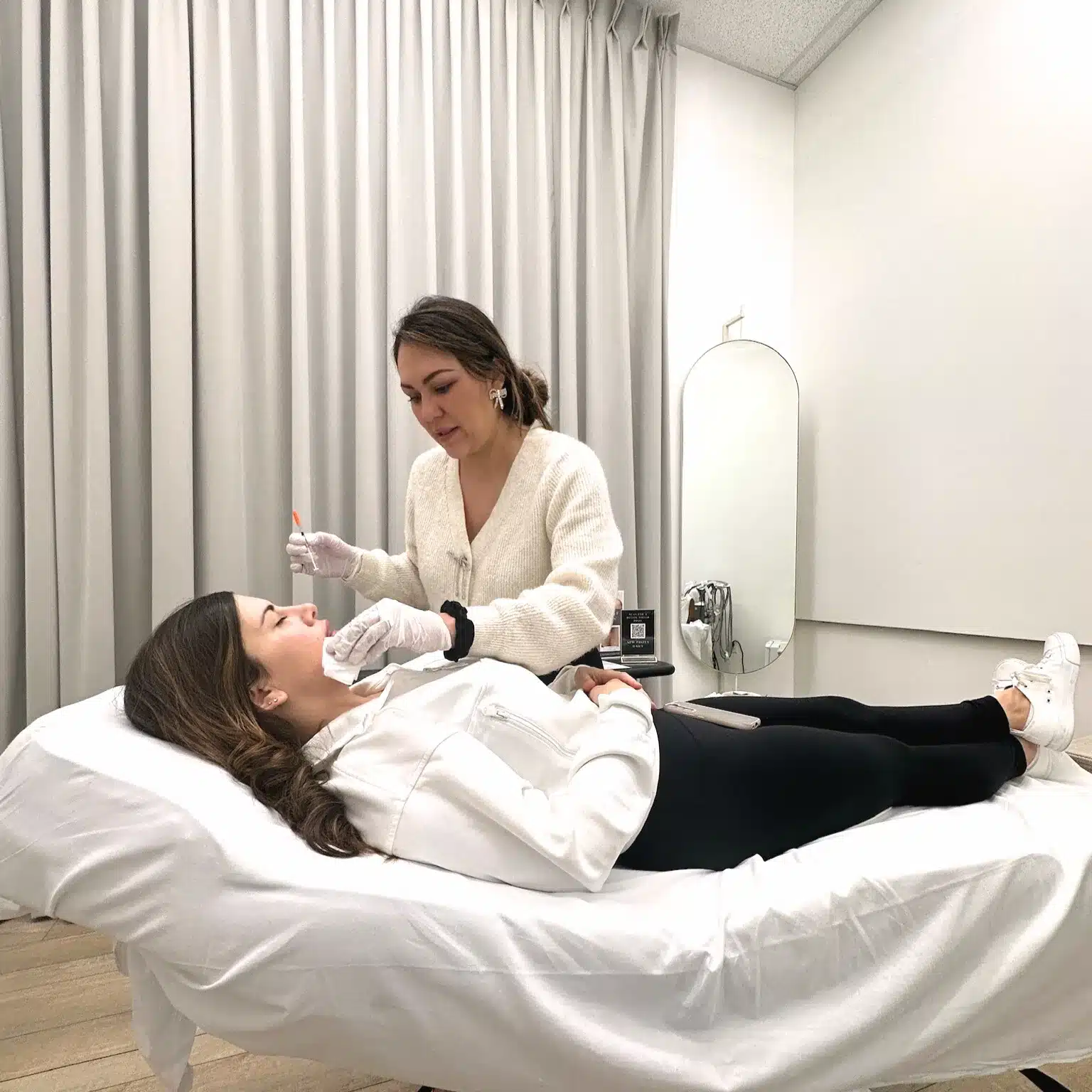


BOTOX RESISTANCE: FACT OR FICTION?
Can someone stop responding to Botox? The short answer is, yes but it’s highly unlikely. Botox (and Dysport) are composed of proteins, and our bodies are able to sense different types of foreign proteins and create antibodies against them. (For example the gluten protein in wheat, and the ovalbumin protein in eggs). Once recognized, these antibodies will circulate and neutralize any Botox once it’s injected, resulting in loss of efficacy.
HOW DO I KNOW IF I HAVE ANTIBODIES?
Again, the chances of being a true non-responder to Botox are extremely low. There are also no tests to determine if you have antibodies to Botox. However, there are a few things that can increase your chances of being a non-responder:
- If you received Botox prior to 1996. The batches of Botox produced in 1996 and earlier contained higher quantities of protein. This possibly rendered Botox more easily recognized and neutralized by the body.
- Receiving high doses of Botox. Individuals who receive Botox to treat neuromuscular disorders like dystonia, can receive very high doses of Botox, possible increasing the chance of generating an immune response to the Botox. However, if you receive a cosmetic dose (100 units or less) then this is not considered a high enough dose to warrant an immune effect.
- Receiving Botox too frequently. There is some scientific evidence to suggest that individuals who receive Botox sooner than every 2 months may be at higher risk for Botox resistance. This is why we recommend spacing apart your Botox appointments every 3 months. An early touch-up once in awhile is okay, but you should not make a habit of coming every few weeks for Botox.
IF I AM RESISTANT TO BOTOX, WHAT SHOULD I DO?
Luckily, it is thought that the immunogenicity wears off after a period of time. Also, Botox resistance is not thought to result in total lack of response, just a weakened response. One option you may try is trying other types of neurotoxins like Jeuveau, Dysport or Xeomin. Keep in mind that all of these neurotoxins have very similar chemical structures, so there is a chance you might not see a result from the other types either. You should keep this in mind if you are on a tight-budget. Alternative wrinkle-reducing therapies like microneedling may be a better option for you.
WHAT ARE SOME OTHER REASONS SOMEONE MIGHT BECOME A NON-RESPONDER?
In 99% of cases where someone says “their Botox didn’t work”, ” it wore off too soon,” or “they metabolized it quickly,” the patient is typically being under-dosed. If you are receiving, say, 30 units, and it’s wearing off in 6 weeks, then the most clear answer is that the dose needs to be increased. The higher the dose, the longer the duration. Other reasons for apparent Botox “resistance” include:
- Muscle adaptation. Sometimes other muscles responsible for movement will compensate for the paralyzed muscles, creating movement.
- Improper administration technique. It is possible that a new injector may make a mistake with dilution or placement of Botox.
- Unrealistic expectations of how much Botox needs to be used. If a patient is requesting an injection of only 12-20 units, then the provider should take the time to explain that the effect may wear off closer to 6 weeks.
To sum it up, don’t worry if you believe you are becoming resistant to your Botox. Chances are, you are still a great responder. You just need to add some more units to your next dose. Maintain an open line of communication with your injector, be patient, and keep an open mind about how many units of Botox you might need.
If your results have been fading faster lately, our Nashville Botox team can evaluate your dosing and product options.
